
The wine industry, constantly seeking innovative methods to improve product quality while reducing its environmental impact, is exploring new technologies to optimise its production processes. Among these, the use of ozonated water has emerged as a promising solution. Used for equipment cleaning and barrel disinfection, ozonated water offers numerous benefits in terms of efficiency, sustainability, food safety, and reduction of water volumes used as well as additional chemical products. However, to ensure optimal results and sustainable use, it is essential to implement appropriate filtration systems. This article explores how ozonated water, combined with effective filtration methods, can transform practices in the wine industry by improving wine quality while meeting environmental and sanitary standards.
Ozonated water: what is it?
Ozonated water is water in which ozone (O₃), a gas composed of three oxygen atoms, has been dissolved. Ozone is a powerful oxidant, widely used for its disinfecting and decontaminating properties. In aqueous solution, it acts rapidly by eliminating microorganisms, bacteria, viruses and impurities, without leaving harmful chemical residues, as ozone naturally decomposes into oxygen. This characteristic makes it an environmentally friendly alternative to conventional chemicals, particularly in sectors requiring strict hygiene, such as the food industry and, increasingly, the wine sector.
Good to know
The Commission Implementing Regulation (EU) 2023/1078, adopted on 2 June 2023 and entering into force on 1 July 2024, approves the use of ozone generated from oxygen as an active substance in biocidal products. This approval applies to product types 2, 4, 5 and 11. This regulation falls within the framework of Regulation (EU) No 528/2012, which governs the placing on the market and use of biocidal products in the European Union.
How is ozonated water produced?
The first step in producing ozonated water consists of pre-filtering the raw water (municipal or industrial source) to remove impurities, suspended particles and undesirable chemicals. This filtration is generally carried out using filter bags, sand filters, activated carbon filters or filter cartridges, with filtration ratings determined according to the nature and size of the unwanted substances.
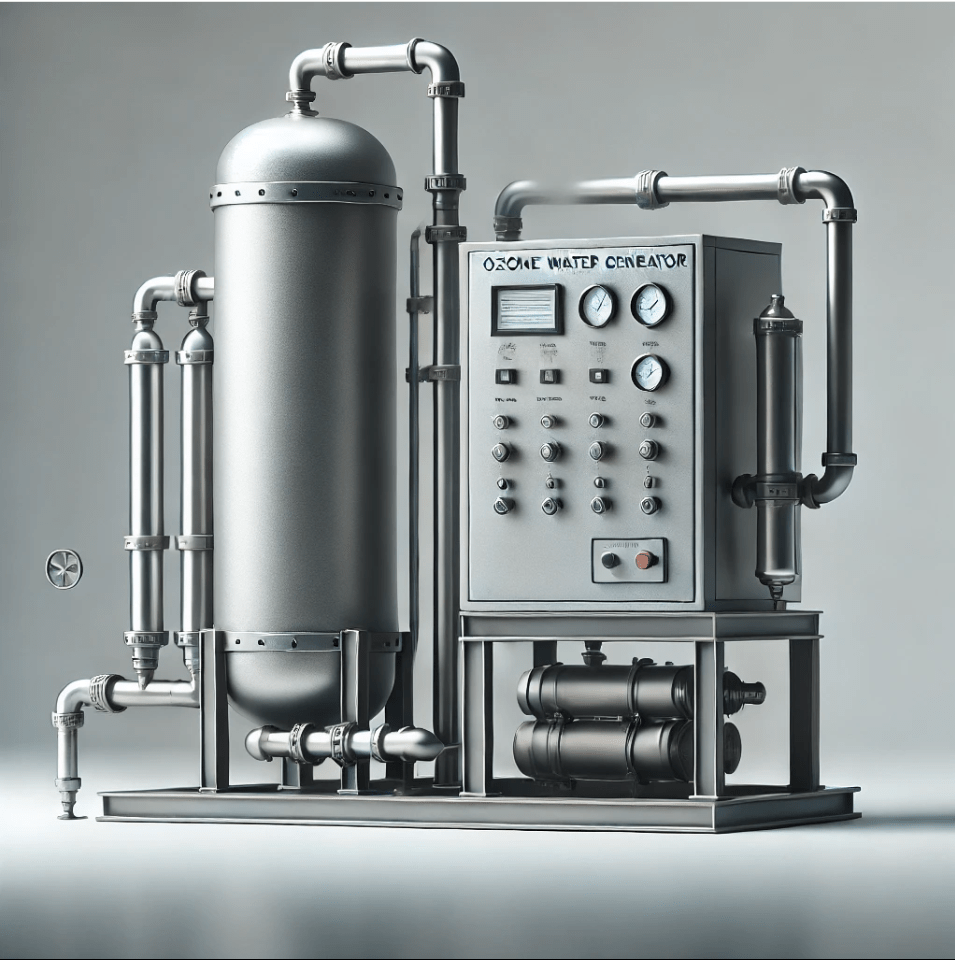
Pure oxygen or air is introduced into an ozone generator (ozonator), where an electrical discharge (corona effect) converts part of the oxygen (O₂) into ozone (O₃). The ozone is then mixed with the treated water.
Ozone is injected into the water via a diffuser or a Venturi injector, creating an ozonated water solution. The mixing system maximises contact between ozone molecules and water to ensure optimal ozone dissolution.
Ozonated water is stored in a contact tank where it remains for a predefined period (contact time). This allows ozone to react with bacteria, viruses, fungi and other microorganisms, effectively neutralising them.
After disinfection, the water may undergo additional treatment, such as activated carbon filtration, to remove residual ozone, or be stored in a tank for immediate industrial use.
The level of dissolved ozone in the water is monitored using sensors and online control systems. These systems automatically adjust the injected ozone concentration according to process requirements.
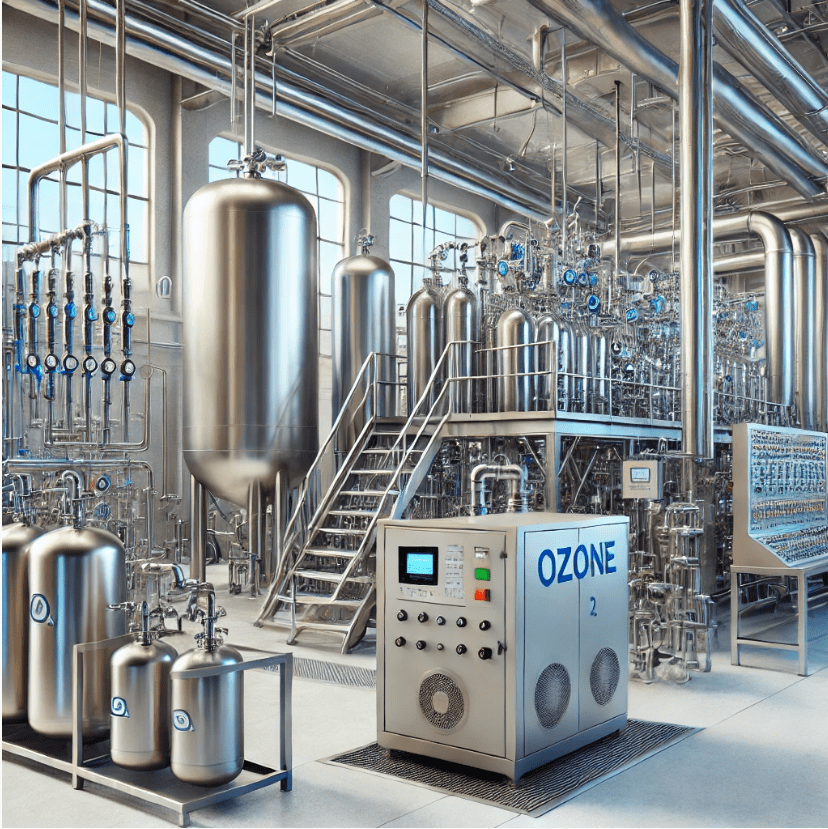
What are the uses of ozonated water in the wine industry?
Ozonated water is increasingly used in the wine industry due to its disinfecting, oxidising and environmentally friendly properties. In addition, its use significantly reduces water volumes and additional chemical products.
- It is used for rinsing and disinfecting fermentation or blending tanks made of concrete, steel or epoxy (for wooden barrels, gaseous ozone is preferred). Its oxidising power rapidly destroys bacteria, yeasts, moulds and other microorganisms without leaving chemical residues. Ozonated water prevents cross-contamination and issues related to uncontrolled fermentations.
- Pipes, hoses and harvesting equipment (sorting tables, presses, etc.), as well as machines used for wine bottling (fillers, rinsers, etc.), must be thoroughly cleaned to prevent contamination. Ozonated water is an effective and non-toxic cleaning agent, ideal for disinfecting this equipment without resorting to aggressive chemicals.
- Before filling, glass bottles and corks are often cleaned and disinfected with ozonated water. This ensures that bottled wine remains free from microbial contamination.
- In cellars and wineries, ozonated water is used to clean floors, walls and surfaces, reducing the risk of contamination by mould spores or bacteria. It also removes organic residues without introducing chemical substances.
By using ozonated water, wine producers can reduce their dependence on traditional chemicals (such as sulphites and chlorine), enabling more sustainable wine production with fewer residues in the final product.
Why filter?
Even after the production of ozonated water, suspended particles or sediments may still be present. If not removed, these particles can clog equipment, reduce disinfection efficiency or leave deposits on tanks, barrels or bottles. Filtration makes it possible to obtain perfectly pure water free from physical contaminants, which is crucial for cleaning and disinfecting winemaking equipment.
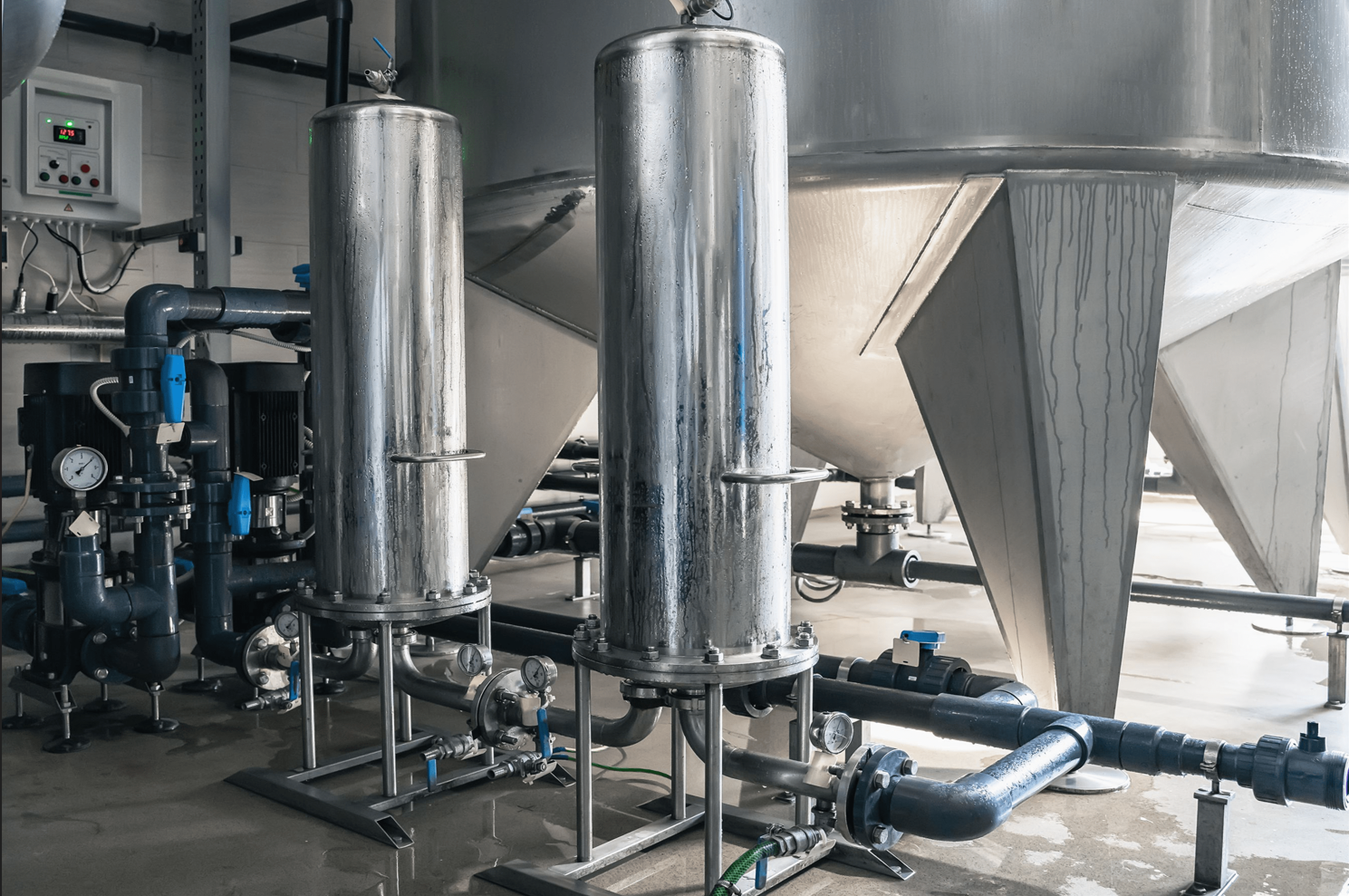
Filtration systems, such as metal cartridges and membranes (for example 0.45 µm), protect downstream equipment against damage caused by particles that could harm spray nozzles, pipes and other critical system components. By removing solid particles, filtration extends equipment service life.
Dissolved ozone in water is a powerful oxidant capable of effectively disinfecting surfaces and killing microorganisms. However, if the water contains organic matter or unfiltered particles, ozone can react with these contaminants, reducing the ozone concentration available for disinfection.
Ozonated water filtration helps remove microorganisms that may persist even after ozone generation. These bacteria, yeasts or moulds can form biofilms on surfaces, affecting wine quality or fermentation processes.
Fine filtration, such as 0.45 µm membranes, captures these microorganisms and ensures that ozonated water is free from any biological contaminants, contributing to sanitary safety.
Learn more about “How to maintain a network in good bacteriological condition?”
In many countries, strict water quality and equipment disinfection standards are imposed in the food and wine industries. Filtering ozonated water ensures that operations comply with these requirements in terms of sanitary safety and quality.
How to filter?
Metal filter:
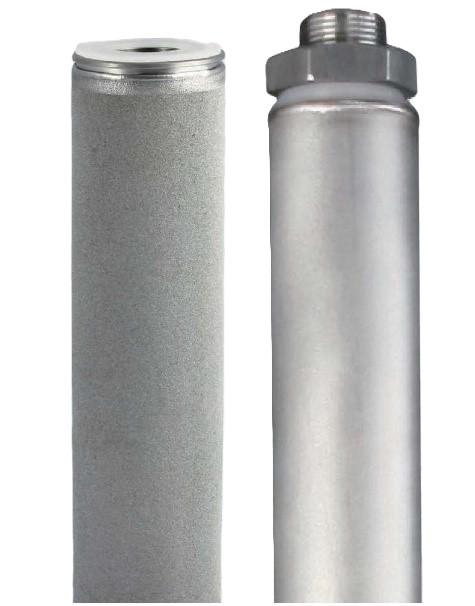
The first filtration stage is equipped with sintered metal cartridges, manufactured from stainless steel powder. They are first formed under pressure, then sintered at high temperature using a unique technology and a strict production process. They offer long-term durability and can withstand the oxidising properties of ozone. Their characteristics include high mechanical strength, homogeneous pore distribution and cleanability.
The commonly used filtration rating is 1 µm nominal / 10 µm absolute.
Good to know
A filter is referred to as absolute when its filtration efficiency is greater than 99.98% (beta ratio 5000).
See the BEST PRACTICES section “nominal or absolute filtration”
These metal cartridges are available in sizes 5’’, 10’’, 20’’, 30’’ and 40’’; in DOE & SOE configurations. The filtration media as well as the end caps are made of 316L stainless steel.
- All-stainless steel construction
- Very low extractables
- Oxidation resistance
- High porosity
- Excellent permeability
Membrane filter
The second filtration stage (fine filtration) must be suitable for the treatment of corrosive liquids such as ozonated water. It is therefore necessary to choose a filtration medium that is chemically compatible with the fluid to be filtered. As such, the filter cartridges are composed of a hydrophilic PTFE membrane, a polyphenylene sulphide (PPS) support layer, and oxidation-stabilised polypropylene components (PFA cage). These materials provide the filters with extended service life.
The commonly used filtration rating is 0.45 µm.
This filtration rating is used to eliminate bacteria and microorganisms in water, ensuring optimal microbiological cleanliness. It is essential in stages where water comes into direct contact with sensitive production equipment.
These cartridges are available in sizes 5’’, 10’’, 20’’, 30’’ and 40’’; featuring all standard market end fittings.
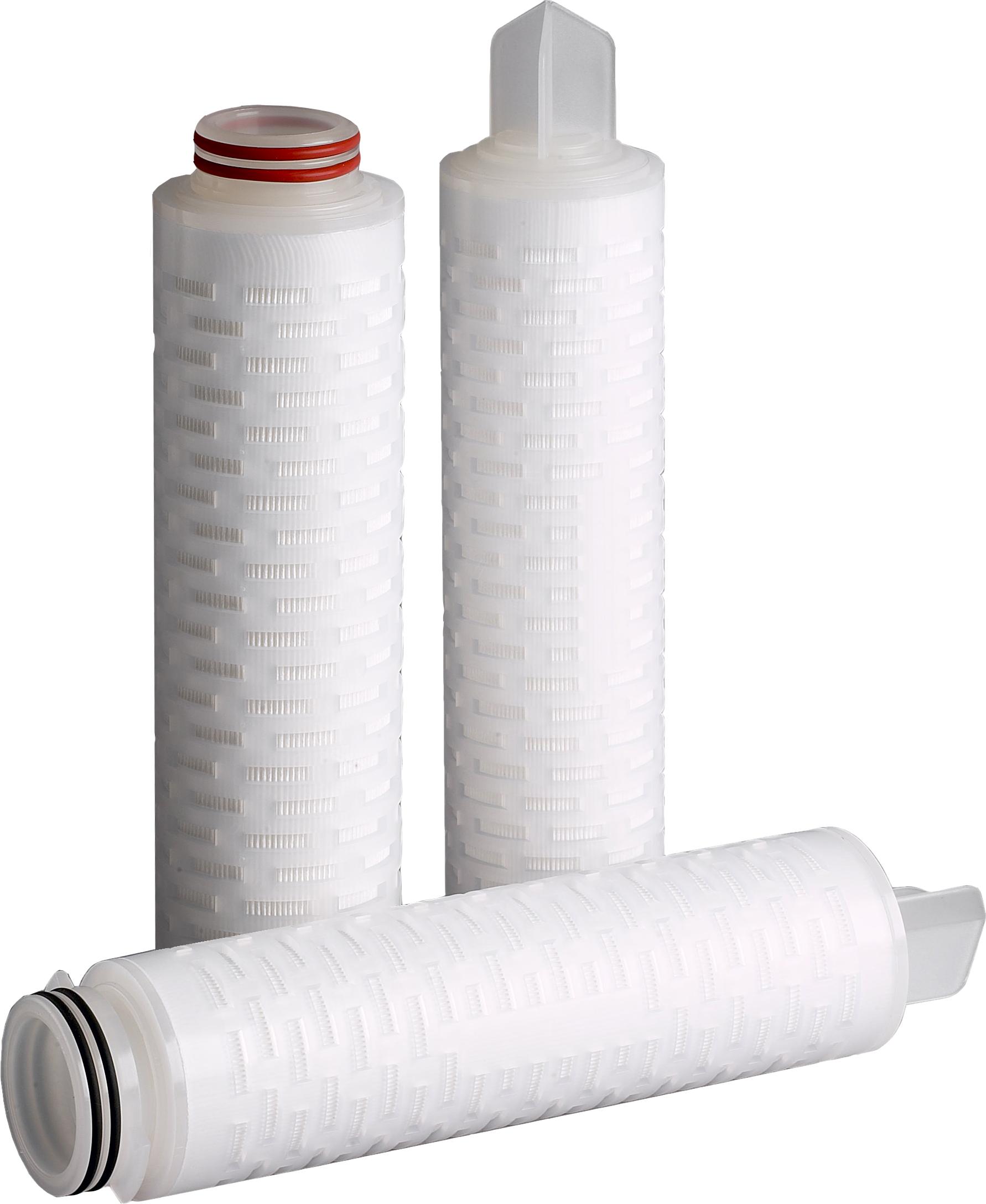
- Oxidation-resistant materials
- Exceptionally high flow rate with low pressure drop
- Robust construction offering exceptional stability during sterilisation
- Wide chemical compatibility
Learn more about Biofouling
All you need to know about filtration in the beverage industry
In conclusion …
Ozonated water filtration in the wine industry represents a significant advancement in cleaning and disinfection practices. Ozone, as a powerful oxidising agent, offers an environmentally friendly solution, reducing the use of traditional chemicals while ensuring optimal hygiene. Its effectiveness in eliminating microbiological contaminants helps preserve wine quality throughout the production process. Furthermore, when properly filtered and used, ozonated water minimises environmental impact by reducing water consumption and chemical residues. In conclusion, integrating this technology into wine production not only strengthens sustainable practices but also contributes to improved food safety and optimised production processes.

Contact a filtration expert
We are at your service
Our experts place their knowledge and expertise at your disposal for liquid filtration, air and gas filtration, decontamination, and separation technologies.