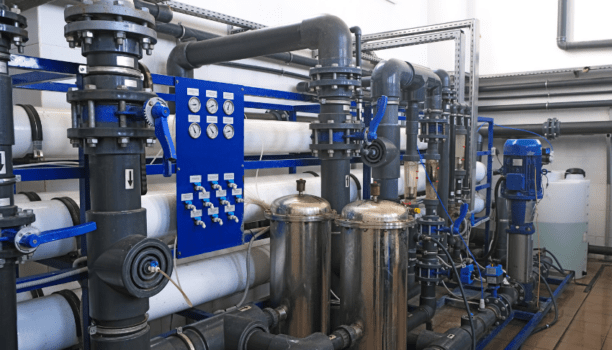
What is cross-contamination?
As they are used over time, filters “age”. Filter media progressively load with particles and become clogged. They deteriorate, weaken and may eventually lose material, which ends up in the filtrate. This phenomenon is known as fibre release.
A phenomenon that is far from without consequences…
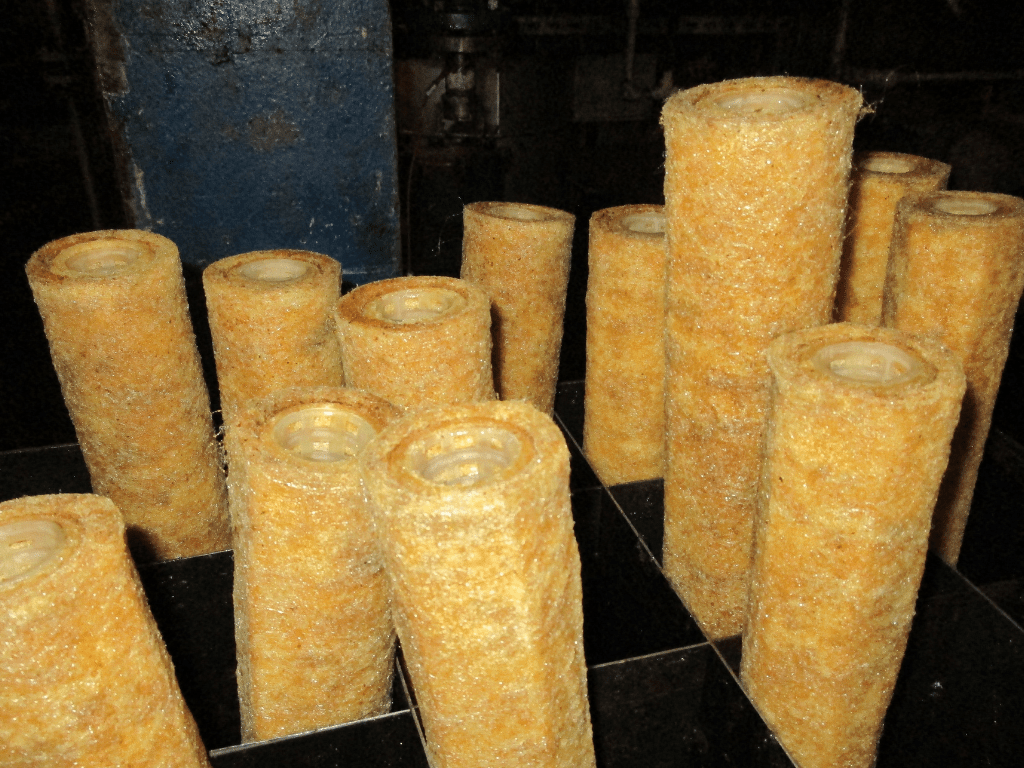
Fibre release: what are the consequences?
By gradually losing material, the filter loses its filtration efficiency and deforms, until it has to be replaced. The fibres it releases contaminate the treated fluid, resulting in a final product that does not meet specifications, a total loss of the affected batches and a temporary production shutdown.
Ensuring the integrity of the filter (filter cartridge, for example) and limiting the presence of extractables is therefore essential.
Viscosity: an aggravating factor?
The issue of fibre release must be given particular consideration when processing high-viscosity fluids (several hundred to several thousand cP). When a viscous fluid flows, pressure drops—that is, pressure losses along the entire production line—can be significant, particularly during filtration stages. Filter cartridges may then deteriorate under the effect of differential pressure, i.e. the pressure difference between the inlet and outlet of the filter. They may undergo mechanical deformation that can render them inoperative. Their filter media may also be damaged and release fibres into the fluid flowing through them.
Which types of cartridges should be selected?
To prevent deformation of filter cartridges used to process fluids, especially viscous ones, you can install cartridges featuring a one-piece central core, which provides greater mechanical strength than conventional designs. More robust, central-core cartridges remain effective for longer. Their service life can therefore be 40 to 50% longer than that of cartridges without a central monobloc core.
You can also favour thermally bonded fibre media to minimise migration and fibre release into the fluid under the effect of differential pressure. It is also possible to choose filter media that have undergone a chemical surface treatment to bind fibres and prevent their release, while ensuring optimal surface permeability.
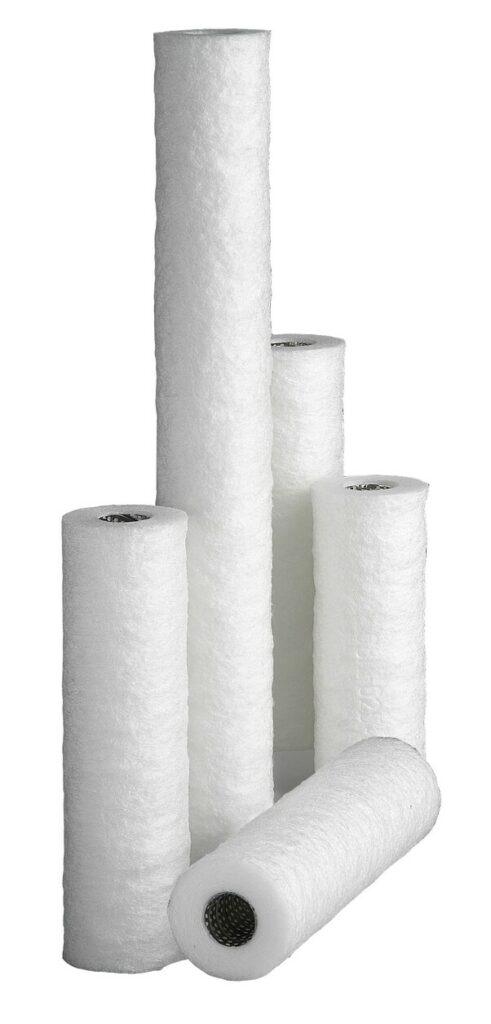
Another option is to act on the very structure of the filter media, for example by installing cartridges whose media are manufactured from synthetic fibres (polypropylene, for example) using a melt-blown process.
This process, also known as meltblown, results in an extremely robust filtration media structure that does not deform even under high differential pressures.
For very high viscosities (above 10,000 cP), synthetic media are too fragile (risk of tearing or bursting). Only metal filters, made of stainless steel for example, without adhesives or glue, guarantee the absence of extractables.
To find out more about viscous fluid filtration and fibre release
Discover a practical case study in cosmetics

Contact a filtration expert
We are at your service
Our experts place their knowledge and expertise at your disposal for liquid filtration, air and gas filtration, decontamination, and separation technologies.