An overview of the issue
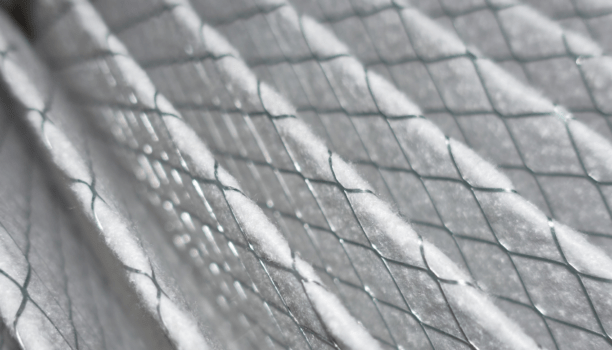
During filtration, the pores of the filter media gradually become clogged as undesirable particles are trapped. This results in reduced filtration efficiency and a decrease in filtrate flow rate.
At a certain stage, and depending on the type of equipment installed on your system, it will then be necessary either to replace the filter media or to clean it. If this operation is not carried out in time, the flow rate may drop drastically and the filter may become completely blocked, with repercussions in terms of flow rate, pressure, pressure drop and energy consumption across the entire installation. In some cases, clogging may even lead to mechanical failure of the filter media, releasing all retained particles as well as its own material (plastic fibres, for example).
However, while filter replacement or filter cleaning is unavoidable, it is also an operation that may require production to be temporarily stopped so that operators can intervene. This is what defines filtration cycles, alternating productive phases during which filtrate is recovered and maintenance phases, which should ideally be as short as possible.
In the industrial sector, there are three declogging techniques: mechanical vibration, reverse air flow and pulsed air jet.
In the case of a baghouse dust collector, for example, the filtered dust leads to media clogging that can be described as follows: depth clogging, which is irreversible, and surface clogging, which is reversible and corresponds to the formation of what is known as the filter cake. The subsequent pneumatic declogging phase allows the trapped particles to be dislodged. The detachment of the deposit is caused by a brief (a few hundred milliseconds) injection of pressurised air (2 to 6 bar) onto the filter media, in the opposite direction to the filtration flow. This pressure shock also temporarily stops the filtration mechanism. Although this technique has the advantage of being carried out on-line on the production line, it may cause a decrease in filter efficiency and degradation of the media. This declogging can be performed at predefined time intervals or at a frequency controlled by a predefined maximum pressure drop. The time between each declogging pulse is highly variable and may range from a few minutes to several hours.
In summary
- Reduces filtration efficiency
- Reduces the filtered fluid flow rate
- Increases pressure drop
- Requires costly and restrictive maintenance operations if it occurs too rapidly
- Ultimately increases production costs
If the filters installed on your system are not suitable (filter type, media nature, geometry, etc.) or are undersized, the rate of clogging will be abnormally high.
Pemflow solutions
To avoid premature clogging of your filters, they must be properly selected and correctly sized. If you encounter this issue, the first step is therefore to have a detailed assessment of the existing filtration devices carried out by a domain expert, in order to identify the best possible replacement solution. If this is the case, the initial additional cost associated with this operation will quickly be offset by the savings achieved by spacing out declogging operations.
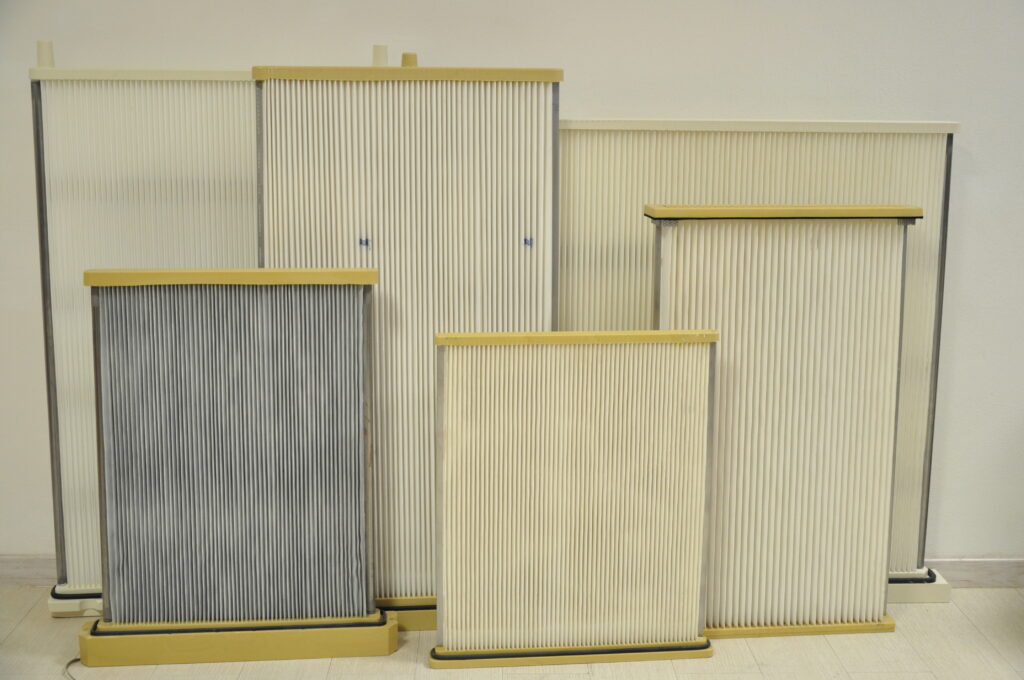
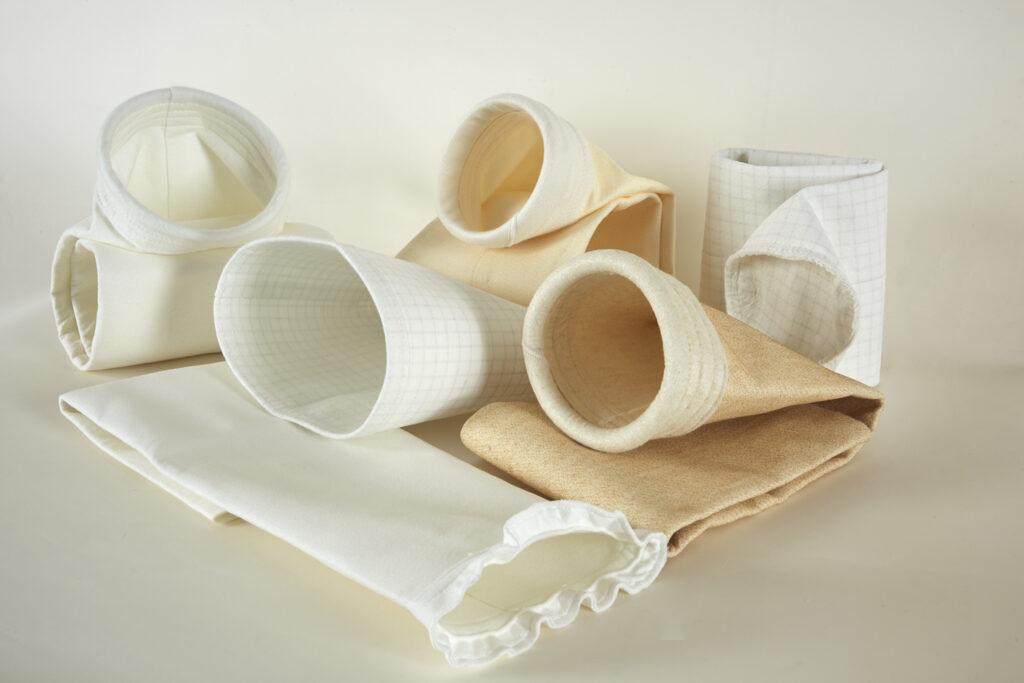
To prevent early clogging, one possible approach is to use innovative materials and coatings. For example, filter cartridges fitted with antistatic polyester media coated with a PTFE membrane can be used. This material prevents particles from penetrating deeply into the filter media, thereby limiting depth clogging and increasing the service life of the filter. Reverse-flow declogging will then be facilitated.
If you use reverse-flow declogging, it is also necessary to adjust the air velocity and pressure optimally in order to make declogging as efficient and as fast as possible.

Contact a filtration expert
We are at your service
Our experts place their knowledge and expertise at your disposal for liquid filtration, air and gas filtration, decontamination, and separation technologies.